Common Compliance Risks Biomedical Teams Help Prevent
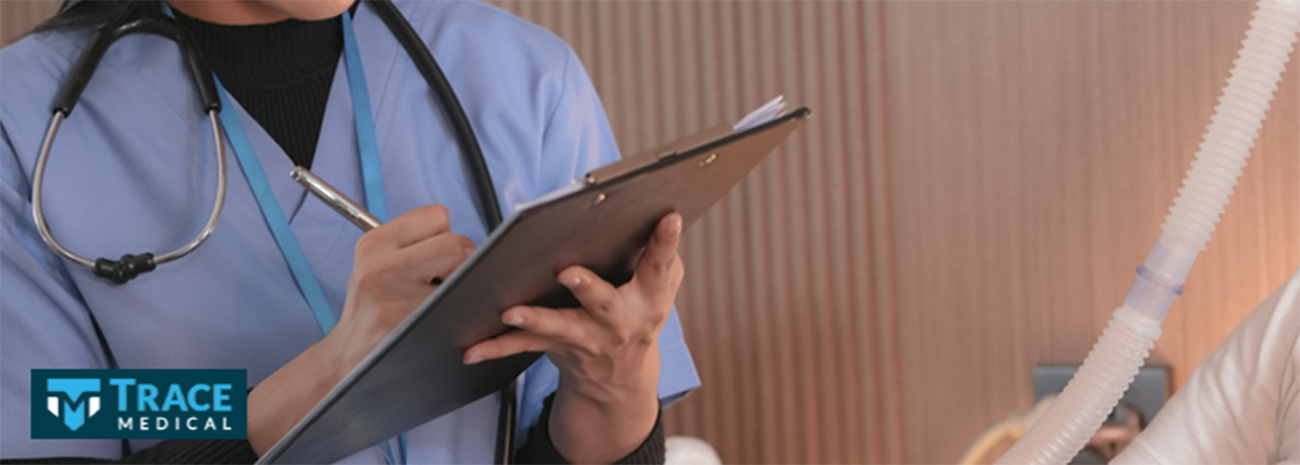
An accreditation survey is underway, and a reviewer requests the service history for a ventilator. The device appears available in inventory, but the latest preventive maintenance record can’t be located. At another branch, a repair was completed weeks ago, but the service record was never closed.
Situations like these often begin with small process gaps. Over time, missing records, inconsistent workflows, disconnected asset data, and unclear equipment status can create larger compliance and operational concerns.
Biomedical teams help organizations reduce medical equipment compliance risks related to missed preventive maintenance, incomplete service records, overdue calibration, unresolved recalls or updates, poor asset tracking, inconsistent repair documentation, and equipment being returned to service before required checks are complete.
A well-organized biomedical program provides clearer visibility into equipment status, maintenance activity, and service history. That visibility supports equipment readiness, daily operations, and survey preparation.
Quick Navigation
What Is Biomedical Equipment Compliance?
Why Do Biomedical Compliance Gaps Occur?
Common Medical Equipment Compliance Risks
How Biomedical Teams Support Audit and Survey Readiness
Warning Signs Your Biomedical Coverage May Not Be Keeping Up
In-House or Outsourced Biomedical Support: What Should You Evaluate?
How to Build a More Reliable Biomedical Compliance Process
How Trace Medical Supports Equipment Readiness
·Frequently Asked Questions
Move from Compliance Gaps to Equipment Readiness
What Is Biomedical Equipment Compliance?
Biomedical equipment compliance involves managing equipment maintenance, inspections, testing, repairs, records, and service status through consistent, traceable processes.
Compliance involves more than repairing equipment after it fails. Organizations may also need:
Accurate equipment identification
Current asset locations
Preventive maintenance schedules
Complete service histories
Calibration records, when applicable
Recall and update management processes
Defined repair workflows
Return-to-service controls
Clear ownership of open work
The specific requirements will vary based on the equipment, manufacturer guidance, applicable standards, internal policies, service agreements, and the organization’s operating environment.
A biomedical program should help the organization answer basic but important questions:
Where is the device?
Is required maintenance current?
Has an open repair been completed?
What service was performed?
Is required documentation available?
Has the device completed the organization’s return-to-service process?
Are any recalls, updates, or other actions still open?
When those answers aren’t easy to find, both operations and compliance become harder to manage.
Why Compliance Gaps Occur
Even well-run organizations can develop equipment-management gaps.
Devices move between locations. Fleets expand faster than service capacity. Records may be stored across software platforms, spreadsheets, paper files, and vendor systems. At the same time, technicians are balancing scheduled maintenance with urgent repairs.
Over time, these pressures can lead to maintenance backlogs, incomplete records, and uncertainty about whether equipment is available, under repair, awaiting inspection, or ready to return to use.
Related Reading: From Risk to Readiness: Compliance Strategies for Multi-Site Facilities
Common Medical Equipment Compliance Risks
Missed Preventive Maintenance
Preventive maintenance becomes difficult to complete on schedule when a device can’t be located, the asset record is inaccurate, or maintenance dates aren’t actively tracked.
Biomedical teams help organize maintenance schedules, identify upcoming or overdue work, locate affected equipment, and record completed service.
Missed maintenance can create uncertainty about equipment readiness and reduce the number of devices available for deployment. A backlog may also place additional pressure on technicians and operations teams when several devices require service at the same time.
Organizations should have a defined process for:
Identifying equipment subject to preventive maintenance
Assigning maintenance schedules
Tracking upcoming due dates
Locating equipment
Documenting completed work
Escalating overdue service
Updating equipment status after service
Incomplete Service Records
Repairs are only part of the story. Without complete documentation, organizations may struggle to verify what work was performed, when it occurred, or what testing followed.
Clear service records create a more reliable equipment history and reduce uncertainty during reviews and audits.
Missing or Poorly Documented Calibration
When calibration applies to a device, the work should be supported by records that make the activity traceable.
Biomedical teams can help manage calibration schedules and preserve relevant information such as dates, results, methods, and equipment status. This makes it easier to determine whether required work was completed and when the next activity may be due.
The exact calibration requirements depend on the equipment, manufacturer procedures, internal policies, and applicable standards. Organizations should use the guidance that applies to their specific devices and operations.
Manufacturer Procedures Aren’t Followed Consistently
Different devices may require different service methods, technical information, testing tools, parts, or software.
A procedure that applies to one ventilator or CPAP model may not apply to another. When teams rely on memory or informal practices, service can become inconsistent across technicians and locations.
Access to appropriate manufacturer information and model-specific procedures helps technicians perform and document service consistently. Organizations should also understand which work requires manufacturer authorization, specialized tools, or particular technician qualifications.
Equipment Is Returned to Service Before Readiness Is Verified
Operational demands sometimes create pressure to place equipment back into circulation quickly.
A structured return-to-service process helps confirm that testing, documentation, configuration checks, and other necessary steps have been completed before equipment is made available again.
Recalls, Updates, and Safety Notices That Fall Through the Cracks
Recalls, software updates, and other manufacturer notices are more difficult to manage when asset records are incomplete or location information is outdated.
An effective process should help the organization:
Identify affected models or serial numbers
Locate the equipment
Record the required response
Assign responsibility
Track open actions
Document completion
Update the device’s status
When equipment moves between branches, facilities, or patient locations, current asset data becomes especially important.
Poor Asset Visibility
When serial numbers are missing, devices are listed in the wrong location, or records contain duplicate entries, maintenance programs become harder to manage.
Reliable asset tracking connects equipment to maintenance histories, repairs, recalls, and current status.
Different Processes in Different Locations
Small workflow differences between branches often grow over time. Documentation standards, equipment labeling practices, and repair procedures may begin to vary.
Shared processes make it easier to maintain consistency across the fleet and reduce confusion when equipment moves between locations.
How Biomedical Teams Support Audit and Survey Readiness
Survey preparation becomes easier when maintenance records are organized and accessible.
A complete equipment history may include preventive maintenance activity, repairs, calibration records, and current status information. Biomedical teams help maintain those records and improve visibility into outstanding work.
Good documentation does not guarantee a survey outcome, but it can make equipment management activities easier to demonstrate and review.
Warning Signs Your Biomedical Coverage May Not Be Keeping Up
Potential warning signs include:
Growing maintenance backlogs
Missing or incomplete records
Long or unpredictable repair turnaround times
Equipment awaiting evaluation without clear status
Heavy reliance on disconnected spreadsheets
Different documentation practices among locations
These issues often indicate that workload, staffing, and fleet demands are no longer aligned.
In-House or Outsourced Biomedical Support: What Should You Evaluate?
The best approach depends on your organization.
Fleet size, technician availability, equipment complexity, geographic coverage, documentation expectations, and service demand all influence the decision.
Some organizations maintain internal teams. Others use outsourced biomedical equipment maintenance to supplement staff capacity or provide specialized support. Many operate with a combination of both.
When evaluating a biomedical equipment service provider, look closely at documentation quality, communication practices, testing capabilities, turnaround expectations, and geographic reach.
Related Reading: In-House vs. Outsourced Biomedical Services
How to Build a More Reliable Biomedical Compliance Process
A reliable biomedical compliance process starts with accurate asset information. Each active device should have a consistent identifier, current location, maintenance status, and traceable service history.
Teams should also know who is responsible for scheduling maintenance, coordinating repairs, updating records, tracking recalls or updates, and confirming return-to-service status.
Regular reviews can uncover overdue maintenance, incomplete records, and unclear equipment status before those gaps create larger operational concerns. A strong process makes each issue visible, assigns responsibility, and provides a clear path toward resolution.
How Trace Medical Supports Equipment Readiness
Equipment readiness requires dependable service, clear communication, and accessible documentation.
Trace Medical’s biomedical capabilities include repair and service support for ventilators, portable oxygen concentrators, CPAP devices, cough-assist equipment, and other respiratory equipment. Whether you need additional biomedical capacity, specialized equipment support, or help managing repair demand, our team is ready to discuss your fleet and service priorities.
Frequently Asked Questions About Biomedical Equipment Compliance
What is biomedical equipment compliance?
Biomedical equipment compliance is the documented management of equipment maintenance, inspections, testing, repairs, and related records. It helps organizations maintain visibility into equipment condition, service history, and current status.
What records should be kept for medical equipment maintenance?
Depending on the equipment and organization, records may include device identification, service dates, work performed, technician information, test results, corrective actions, and final equipment status. Additional documentation may cover maintenance histories, calibration activities, recalls, and software updates.
How often should biomedical equipment receive preventive maintenance?
There isn’t one universal maintenance interval. Schedules may be based on manufacturer guidance, equipment type, usage, service history, organizational policies, and applicable equipment-management requirements.
What happens if preventive maintenance records are missing?
Missing records can make it difficult to confirm whether required service was completed, when it occurred, or when the next activity is due.
The organization may need to review available work orders, service histories, vendor records, and asset information. Its response should follow established compliance and equipment-management procedures rather than assuming missing documentation means the work was or wasn’t completed.
What do accreditation surveyors look for in equipment maintenance records?
Requirements vary by accrediting organization and healthcare setting. Reviewers may request records that demonstrate how equipment is identified, maintained, repaired, tested, tracked, and returned to service.
Organizations should confirm the requirements of their specific accreditation program rather than relying on one universal checklist.
Can biomedical services be outsourced?
Yes. Organizations may use outsourced biomedical services to expand capacity, support specialized equipment, or provide coverage across multiple locations. Technical capabilities, documentation quality, communication, turnaround expectations, and geographic support should all be considered.
How can an organization prepare its equipment records for an accreditation survey?
Confirm that inventory information, maintenance histories, repair records, applicable calibration documentation, and equipment status are accurate and accessible. Reviewing open work orders, overdue maintenance, and incomplete records before a survey can also make equipment-management activities easier to demonstrate.
Move from Compliance Gaps to Equipment Readiness
Medical equipment compliance risks often begin with ordinary process gaps, such as an outdated asset location, an open repair record, or missing maintenance documentation.
A reliable biomedical program helps organizations identify and address those gaps before they create larger operational challenges. If your internal team needs additional capacity or specialized repair support, Trace Medical can help strengthen your equipment-service strategy.