
What RTs Need from Ventilator Partners to Support Home‑Based Patients
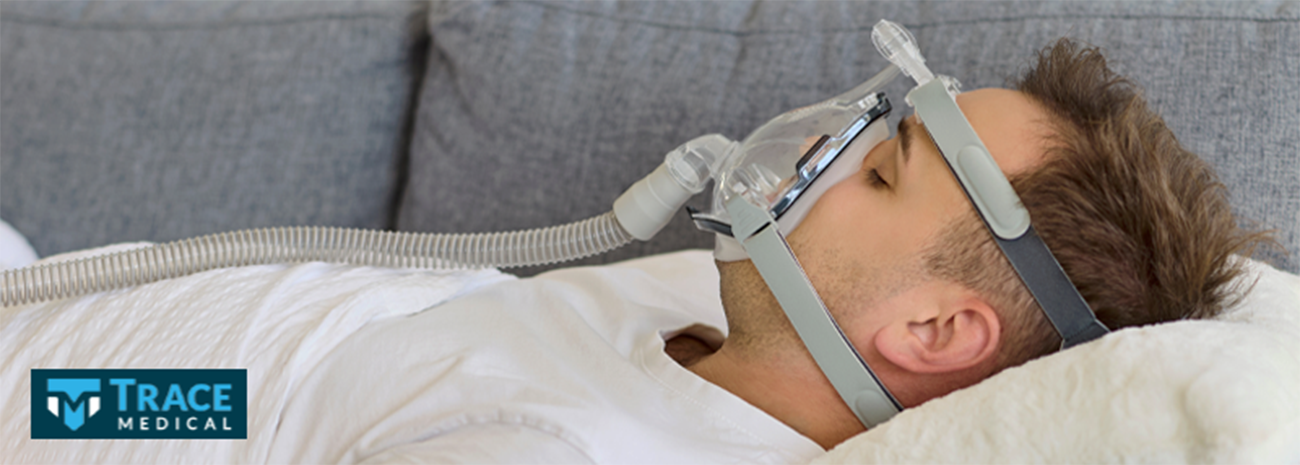
Home-based ventilator care doesn’t fail because of clinical knowledge gaps. More often than not, it breaks down in the handoffs. Between hospital and home, between respiratory therapist and equipment partner, between what’s assumed and what’s supported.
For respiratory therapists (RTs), managing patients on home ventilation means balancing clinical oversight with real-world constraints: limited time in the home, variable caregiver skill levels, evolving patient needs, and equipment that must work without hesitation. The ventilator partner plays a quiet but critical role in whether that balance holds.
The strongest home programs aren’t built on equipment alone. They’re built on alignment.
Below is what RTs consistently need from ventilator partners to keep patients safe, stable, and supported once care moves out of the facility.
Reliability Isn’t a Feature, It’s the Baseline
In the home, there’s no backup unit down the hall and no on-site biomed team. If a ventilator fails, the margin for error disappears quickly.
RTs need partners who treat reliability as table stakes, not a selling point. That means:
Patient-ready devices every time: Equipment should arrive fully tested, calibrated, cleaned, and documented without exceptions or last-minute fixes.
Consistent performance across the fleet: Variability between devices creates confusion for caregivers and complicates RT follow-up.
Clear service history: RTs shouldn’t have to guess when a unit was last serviced or whether it’s due for inspection.
When equipment reliability is baked in rather than questioned, RTs can focus on patient care instead of contingency planning.
Fast, Direct Support When Things Go Sideways
Even with the best preparation, issues happen. What matters is how quickly they’re resolved. RTs don’t need call centers or ticket queues. They need access to people who understand ventilators, urgency, and the realities of home care.
Strong ventilator partners provide:
Responsive technical support that understands clinical context, not just device mechanics.
Clear escalation paths when an issue can’t be resolved remotely.
Rapid replacement options when repairing isn’t the safest or fastest solution.
Delays in home ventilation aren’t just inconvenient; they can quickly become clinical risks. Speed and clarity matter.
Equipment That Fits the Patient, Not the Other Way Around
Home-based patients rarely fit into neat categories. Diagnoses evolve. Ventilation requirements change. What worked at discharge may not be appropriate six months later.
RTs need ventilator partners who can adapt alongside the patient, including:
Access to the Right Device Mix: Not every patient benefits from the same model or configuration. Partners should offer options that support invasive and non-invasive ventilation, pediatric through adult needs, and varying mobility requirements.
Flexibility Without Administrative Drag: When patient needs change, equipment adjustments shouldn’t trigger weeks of paperwork or rigid limitations. RTs value partners who can pivot without friction.
Thoughtful Transitions: Hospital-to-home transitions are fragile. Ventilator partners should support smooth setup, clear instructions, and compatibility with the care plan, not introduce new variables. The goal is continuity, not compromise.
Documentation That Supports Clinical and Compliance Needs
RTs operate at the intersection of care delivery and compliance. In the home, documentation gaps become audit risks and care risks.
Ventilator partners should provide:
Complete service and maintenance records that are easy to access.
Clear device identification and tracking, so there’s no confusion about what’s deployed and where.
Consistency across locations for multi-site providers managing home programs at scale.
When documentation is clean and predictable, RTs spend less time chasing paperwork and more time supporting patients.
Respect for the RT’s Role in the Care Team
RTs aren’t just end users of equipment. They’re clinical decision-makers responsible for patient safety, caregiver education, and long-term outcomes. The best ventilator partners understand that and act accordingly:
They listen. RT feedback on device performance, caregiver challenges, or recurring issues is taken seriously.
They communicate clearly. No vague updates, no assumptions, no last-minute surprises.
They collaborate, not override. Clinical judgment is respected, not second-guessed by operational constraints.
Partnership works when both sides recognize each other’s expertise.
Support for Caregivers Without Adding Burden
In home ventilation, caregivers carry a heavy load. RTs are often the ones bridging the gap between clinical expectations and day-to-day reality.
Ventilator partners can help by:
Ensuring equipment is intuitive and consistent.
Providing clear, practical instructions that align with RT education.
Minimizing unnecessary device changes that confuse caregivers.
When caregivers feel confident with the equipment, RT follow-ups become more productive and patients are safer.
A Shared Focus on Long‑Term Sustainability
Home-based ventilation isn’t a short-term solution for many patients. Programs succeed when partners think beyond the initial setup.
That means planning for:
Ongoing maintenance without disrupting care.
Device lifecycle management that avoids sudden obsolescence.
Scalable support as home programs grow.
RTs value partners who think in years, not transactions.
Where Partnership Actually Shows
The difference between a vendor and a partner shows up in quiet moments: the routine check-ins, the smooth replacement, the issue resolved before they become urgent.
For RTs supporting home-based ventilator patients, the right partner reduces friction, uncertainty, and risk. They don’t add complexity. They absorb it.
At Trace Medical, ventilator support is built around that reality: reliable equipment, responsive service, and practical collaboration that fits the demands of home care. For RTs and providers building or expanding home-based programs, the right partnership isn’t about grandiose promises; it’s about what holds up when patients depend on it.
Frequently Asked Questions About Ventilator Partnerships in Home Care
What should respiratory therapists look for in a home ventilator partner?
RTs benefit most from partners who provide reliable equipment, fast clinical‑aware support, flexible device options, and clear documentation. A strong partner reduces friction in home care rather than adding operational complexity.
Why is ventilator reliability especially critical in home‑based care?
In the home, there is no immediate backup equipment or on‑site technical team. Ventilator issues can quickly become safety concerns, making consistent performance, proper maintenance, and readiness essential.
How do ventilator partners support safer hospital‑to‑home transitions?
Effective partners ensure equipment is patient‑ready, aligned with the care plan, and supported with clear setup and education. Smooth transitions reduce caregiver confusion and help maintain continuity of care after discharge.
What role does technical support play in home ventilation programs?
RTs need direct access to knowledgeable support teams who understand both ventilators and clinical urgency. Fast troubleshooting, clear escalation paths, and rapid replacements help prevent small issues from becoming critical disruptions.
How important is equipment flexibility for home ventilator patients?
Home‑based patients often experience changes in condition, mobility, or ventilation needs over time. RTs value partners who can adapt device configurations or swap equipment without excessive delays or administrative barriers.
What documentation should ventilator partners provide to RTs and providers?
Partners should supply clear service histories, maintenance records, and accurate device tracking. This supports both clinical decision‑making and compliance requirements, especially for providers managing programs across multiple locations.
How does a ventilator partner support respiratory therapists clinically?
Strong partners respect RTs as clinical decision‑makers, listen to their feedback, and communicate clearly. Collaboration works best when operational processes support — rather than override — clinical judgment.
Why is caregiver usability important when selecting ventilator equipment?
In home care, caregivers interact with equipment daily. Intuitive, consistent devices and clear instructions help caregivers feel confident, reduce errors, and make RT follow‑ups more effective.
How do ventilator partners affect long‑term home care sustainability?
Successful programs depend on ongoing maintenance, predictable equipment lifecycles, and scalable support. RTs value partners who plan for long‑term use rather than focusing only on initial setup.
What’s the difference between a ventilator vendor and a true partner?
A vendor supplies equipment. A partner helps absorb complexity by anticipating issues, responding quickly, and supporting RTs and caregivers behind the scenes so patient care stays uninterrupted.