
Why Biomedical Strategy Should Be Part of Long-term Equipment Planning Conversations
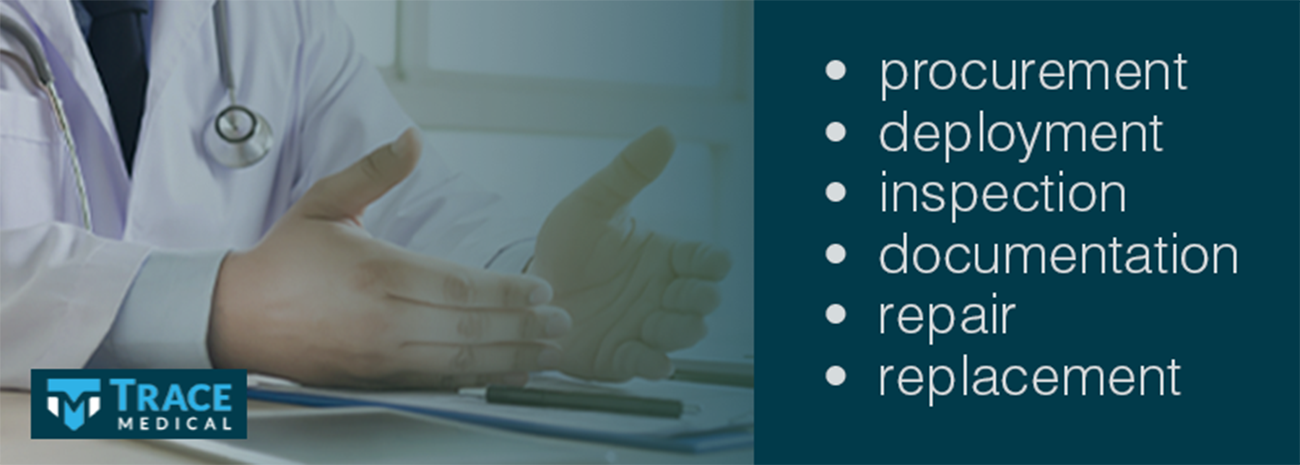
Launching or expanding a home dialysis program often starts with the obvious questions: Which machines are needed? How many patients can we support? What will reimbursement look like?
Too often, the biomedical strategy comes later, well after devices are in the field and workflows are already set. That delay creates friction.
Biomedical planning isn’t a downstream task. For home dialysis programs, it’s a foundational part of building something that can scale, stay compliant, and remain financially sustainable over time.
Equipment Decisions Don’t End at Procurement
Home dialysis equipment lives in a different reality than traditional in-center devices. Machines are used in uncontrolled environments, maintained by patients or caregivers, and expected to perform reliably with limited hands-on oversight.
When biomedical considerations are treated as an afterthought, programs can run into avoidable issues:
Delays in patient onboarding due to inspection or readiness gaps
Higher service costs from reactive repairs instead of planned maintenance
Compliance risk tied to incomplete documentation or inconsistent processes
A long-term equipment plan that includes biomedical strategy from day one helps programs avoid these problems before they surface.
Biomedical Strategy Supports Program Readiness
For new or growing home dialysis programs, readiness is about more than having equipment on hand. It’s about knowing that every device entering a patient’s home meets clinical, safety, and regulatory expectations. A defined biomedical strategy helps programs establish:
Clear inspection and testing protocols: Equipment should arrive patient-ready, with documented testing and calibration aligned to manufacturer and regulatory standards.
Standardized maintenance planning: Preventive maintenance schedules reduce downtime and protect patient safety, especially as fleets grow across regions.
Consistent documentation practices: Accurate service records matter for audits, accreditation, and internal quality assurance. Building this into the plan early reduces administrative strain later.
Planning for Growth, Not Just Launch
Many home dialysis programs are designed around an initial patient count, then stretched as demand increases. Without a scalable biomedical framework, growth can lead to inconsistency.
A long‑term view allows teams to plan for:
Fleet expansion without uneven service levels
Device rotation strategies that minimize disruption
Predictable budgeting for service, repair, and replacement
This approach shifts biomedical support from a reactive cost center to a predictable operational component.
Aligning Clinical, Operational, and Financial Goals
Biomedical strategy sits at the intersection of clinical care and operational efficiency. When aligned with equipment planning, it supports multiple priorities at once.
Clinically, it helps ensure patients receive reliable, safe therapy at home. Operationally, it reduces the burden on internal teams who may not have specialized biomedical resources. Financially, it supports better forecasting and fewer surprise expenses tied to emergency repairs or compliance issues.
For decision-makers, this alignment makes it easier to justify equipment choices not just on upfront cost, but on total lifecycle impact.
Practical Steps to Get Started
Programs don’t need a complex overhaul to integrate biomedical thinking into planning conversations. A few early steps can make a meaningful difference:
Involve biomedical expertise when evaluating equipment models and deployment plans
Map out service and maintenance needs over the expected lifecycle of the device
Document responsibilities clearly by establishing what’s handled internally versus by external partners
These actions create clarity before equipment reaches patients’ homes.
A Smarter Path Forward
Home dialysis programs are built for flexibility and patient independence. Supporting that mission requires equipment strategies that look beyond acquisition and consider long-term performance, safety, and support.
By making biomedical strategy part of early equipment planning conversations, programs can reduce risk, support sustainable growth, and focus more energy on patient care.
If you’re evaluating how your home dialysis equipment strategy will hold up over time, Trace Medical works with programs to bring clinical, operational, and biomedical considerations into a single, practical plan that’s not only built for today but is also ready for what comes next.
Frequently Asked Questions About Biomedical Strategy in Home Dialysis Programs
What is a biomedical strategy in home dialysis equipment planning?
A biomedical strategy defines how dialysis equipment is inspected, maintained, documented, and supported throughout its lifecycle. In home dialysis, it ensures devices are patient‑ready, compliant, and able to scale as programs grow.
Why should biomedical planning happen early in equipment decisions?
When biomedical considerations are delayed, programs often face onboarding delays, higher service costs, and compliance risk after devices are already deployed. Planning early helps avoid disruptions once patients are in the home.
How does home dialysis change biomedical requirements compared to in‑center care?
Home dialysis equipment operates in less controlled environments and is handled by patients or caregivers. This increases the importance of standardized testing, preventive maintenance, and clear documentation to support safety and reliability outside the clinic.
What risks arise when biomedical strategy is treated as an afterthought?
Programs may encounter inconsistent inspections, reactive repairs, documentation gaps, and delays in patient starts. Over time, this creates operational strain and increases financial and compliance exposure.
How does biomedical planning support program readiness?
A defined biomedical strategy ensures equipment arrives fully tested, calibrated, and documented. This allows programs to onboard patients confidently, knowing devices meet clinical and regulatory standards from day one.
Why is documentation such a critical part of biomedical strategy?
Accurate service and maintenance records support audits, accreditation, and internal quality assurance. Consistent documentation also reduces administrative burden as fleets expand across regions or patient populations.
How does biomedical strategy support program growth?
As home dialysis programs expand, biomedical planning enables consistent service levels, predictable maintenance schedules, and structured device rotation. This prevents uneven support and helps programs scale without losing control.
What role does biomedical strategy play in financial planning?
It helps organizations forecast maintenance, repair, and replacement costs over the equipment lifecycle. This reduces surprise expenses from emergency repairs and supports more accurate long‑term budgeting.
Who should be involved in biomedical planning conversations?
Effective planning includes clinical leaders, operations teams, financial stakeholders, and biomedical experts. Aligning these groups early helps ensure equipment decisions support both patient care and operational realities.
How can programs start integrating biomedical strategy into equipment planning?
Initial steps include involving biomedical expertise when evaluating devices, mapping service needs across the equipment lifecycle, and clearly defining responsibilities between internal teams and external partners.