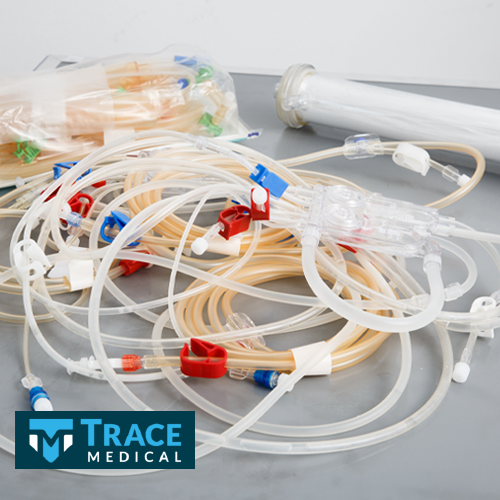
Explore home dialysis readmission rates, what current data suggests, and how training, transitions, and operations influence outcomes.
Read More
Explore home dialysis readmission rates, what current data suggests, and how training, transitions, and operations influence outcomes.
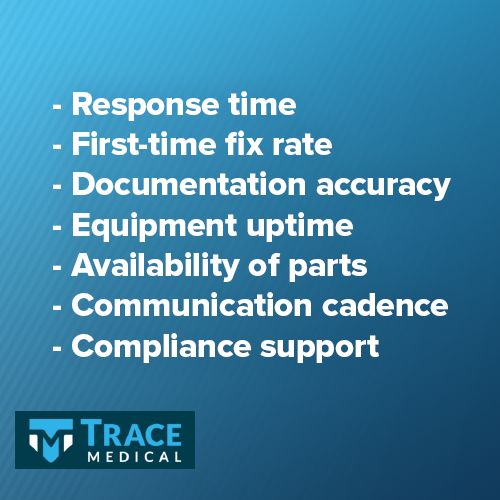
Read MoreUse a biomedical service SLA scorecard to compare response times, repair turnaround, PM completion, documentation, uptime and vendor reliability at renewal.
Read MoreAsk better cybersecurity questions before adopting connected medical equipment, asset tracking or remote monitoring for safer, more reliable workflows.
Read MoreA successful home dialysis setup involves more than equipment delivery. We take a closer look at storage planning, supply coordination, workflow design and communication responsibilities that help dialysis programs support patients more effectively at home.
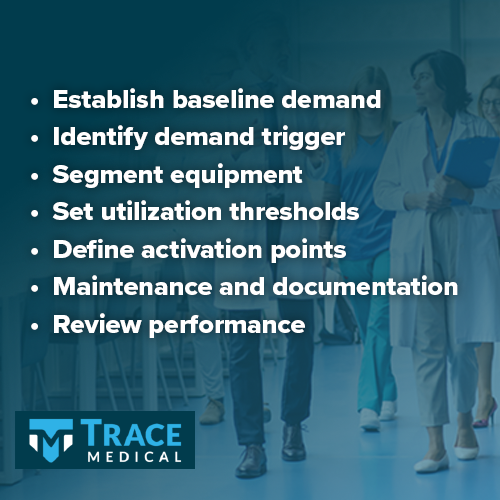
Read MoreSurge capacity planning works best when equipment decisions are made before demand spikes. This article outlines a model for balancing owned assets, rentals, readiness, and utilization.
Read MoreFor RTs supporting home-based ventilator care, equipment readiness is only part of the expectation. Service quality, communication, and follow-through matter just as much.
Read MoreHome dialysis can feel overwhelming if patients are expected to figure everything out once training starts. The stronger approach begins earlier.
From caregiver roles and home setup to equipment timing and communication plans, our latest article reviews what care teams should address before day one so patients can begin home dialysis with more confidence.
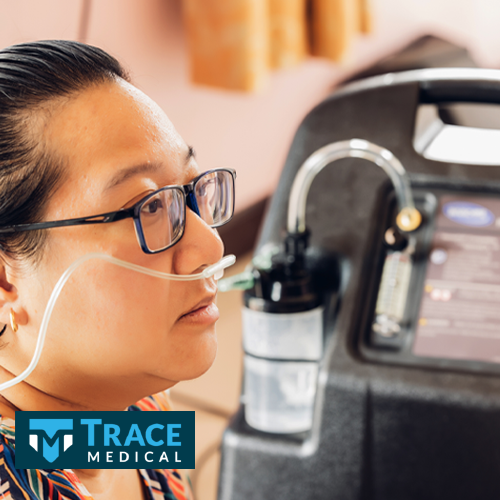
Read MoreA portable oxygen concentrator can’t support a patient if no one knows where it is. For DME providers, missing or hard-to-locate equipment can quickly turn into delayed setups, replacement costs and service gaps.
Today, we break down how stronger fleet visibility helps teams reduce loss, improve utilization and keep portable oxygen equipment ready when patients need it.
Read MoreA ventilator can be “available” on paper and still not be ready when an RT needs it.
This blog breaks down where those gaps happen and how stronger program design can help respiratory teams protect care continuity.
Read MoreBefore you build or outsource biomedical services, it’s worth assessing how equipment scope, compliance, and downtime actually affect your operation. This article outlines what to evaluate before choosing an in‑house or outsourced approach.
Read MoreValue-based care is changing how dialysis programs operate, not just what they deliver. Home dialysis gives providers more flexibility to manage access, cost, and care continuity as demand shifts.
Read MoreDesigning a ventilation program isn’t just about devices. It’s about patient mix, clinical roles, inventory strategy, and how all of it functions under real-world pressure. Here’s a real-world approach for RTs and operational leaders building programs from the ground up.
Read MoreChronic kidney disease rates continue to rise, but dialysis demand doesn’t always grow in predictable ways. Our latest blog looks at how dialysis programs can plan for growth without overcommitting capital or limiting flexibility.
Read MoreHome‑based ventilator care succeeds when RTs and ventilator partners are aligned. Here’s what that partnership needs to look like on the ground, not just on paper.
Read MoreIf biomedical planning shows up after devices are deployed, it’s already late. Here’s why long‑term equipment planning for home dialysis should start with a biomedical strategy.
Read MoreMark Farmer joins Trace Medical as new Company President
Read MoreHome dialysis can reduce scheduling bottlenecks and increase capacity—without increasing square footage. Here’s what it takes to scale safely.
Read MoreWhen ventilators go offline, respiratory teams feel it first. Downtime reshapes workflows, adds cognitive load, and forces workarounds that shouldn’t be necessary. We break down the real impact and how to reduce it.
Read MoreIs ventilator ownership actually paying off? We take a clear, billing‑driven look at the true costs of owning vs. renting ventilators to help DME teams make smarter financial decisions.
Read MoreValue‑based kidney care is raising the bar for home dialysis readiness. As CMS doubles down on value‑based care, flexibility, reliability, and readiness matter more than ever. Explore what’s driving the next phase of home‑based dialysis.
Read More